
Subaru Sambar
Subaru's historical Sambar uses a rear-engine layout. The 1990 and 1999 redesigns are useful reference points, but the engine, transmission and drive equipment still need to be matched to the truck's chassis.
By The Kei Hub · Updated
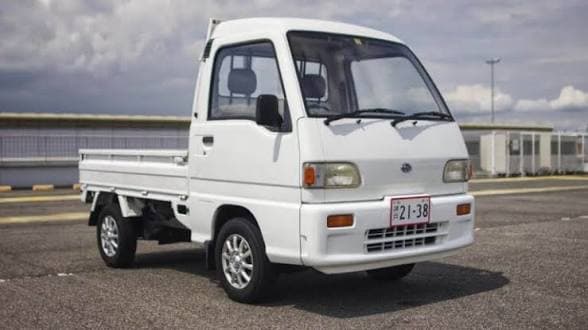
Which specifications apply?
Subaru's 2001 retrospective of its own Sambar range. This guide does not apply these historical specifications to later vehicles sharing the Sambar name.
- Historical layout
- Rear engine, rear-wheel drive basis
- March 1990 redesign
- 660 cc class, four-cylinder engine
- Next redesign
- February 1999
Which years and generations should you compare?
1961 introduction
The original Sambar established the rear-engine layout documented in Subaru's history.
March 1990
Subaru introduced a larger 660 cc class four-cylinder engine with the revised generation.
February 1999
The next redesign followed the revised Japanese mini-vehicle dimensions.
A model year alone does not establish U.S. import eligibility. Follow the import planning guide and check the actual manufacture date.
What condition problems should you look for?
These are inspection priorities for an older vehicle, not a claim that every Sambar has these defects. Use an independent inspection to assess the vehicle being sold.
- Request rear engine-compartment and underside photos to inspect leaks, corrosion and repair quality.
- Check cooling operation through a full warm-up and examine accessible hoses and pipes.
- Have the fitted transmission and drive modes inspected; record unusual noise, hesitation or difficult engagement.
What should you check before an auction bid?
- Obtain the engine and transmission identifiers before pricing parts.
- Confirm any advertised supercharger or 4WD equipment from photos and the matching specification sheet.
- Request photographs of rear body damage and repairs near the engine area.
- Compare odometer units and the documented mileage history with the auction sheet.
Use the auction sheet decoder as a reference, then ask the exporter to translate the full sheet and clarify the auction house's grading rules.
How should you plan maintenance and ownership?
Get the service manual that matches the chassis, engine and transmission. Have a mechanic establish a baseline for brakes, tires, belts, hoses, leaks and fluid condition. Oil grades, capacities, timing-drive parts and service intervals should come from that manual.
Before buying, review your state's registration and road-use rules, request an insurance quote for the actual vehicle, and put written transport and broker quotes into the import cost calculator.
Where do these model details come from?
Manufacturer history establishes the references above. It does not verify the condition, modifications or equipment of an individual vehicle.