
Suzuki Carry
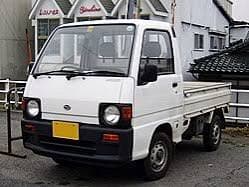
The Suzuki Carry buyer's guide starts with two distinct generations: the 1991 truck and the larger 1999 redesign. Use the chassis code and trim to choose the right specifications and service information.
By The Kei Hub · Updated
Which specifications apply?
The dimensions below are Suzuki's representative 1999 tenth-generation Carry values (GD-DA52T / GD-DB52T). Engine output and equipment vary by grade; these values do not describe every Carry.
- Reference engine
- F6A, 657 cc
- Length × width × height
- 3,395 × 1,475 × 1,790 mm
- Wheelbase
- 2,350 mm
Which years and generations should you compare?
1991 — ninth generation
Suzuki lists V-DD51T and V-DC51T examples with the 657 cc F6A engine, 3,295 mm length and 1,855 mm wheelbase.
1999 — tenth generation
A semi-cab layout moved the front wheels forward. The representative truck grew to 3,395 mm long and 1,475 mm wide; turbo and other grades have different engine outputs.
A model year alone does not establish U.S. import eligibility. Follow the import planning guide and check the actual manufacture date.
What condition problems should you look for?
These are inspection priorities for an older vehicle, not a claim that every Carry has these defects. Use an independent inspection to assess the vehicle being sold.
- Inspect the cab corners, floor, chassis and bed supports for rust, patching or fresh coating that obscures the metal.
- Ask an inspector to check cooling-system condition and operating temperature after a proper warm-up.
- Check clutch engagement, gear selection, steering play and braking during an appropriate test drive.
What should you check before an auction bid?
- Match the DC, DD, DA or DB chassis code in the listing to the actual plate; a Carry badge alone does not identify the generation.
- Ask for a clear translation of all inspector comments and the damage diagram.
- Verify any advertised differential lock, low-range or turbo equipment on this specific truck.
- Request service records before budgeting for fluids or timing-drive work; use the matching manual for intervals and quantities.
Use the auction sheet decoder as a reference, then ask the exporter to translate the full sheet and clarify the auction house's grading rules.
How should you plan maintenance and ownership?
Get the service manual that matches the chassis, engine and transmission. Have a mechanic establish a baseline for brakes, tires, belts, hoses, leaks and fluid condition. Oil grades, capacities, timing-drive parts and service intervals should come from that manual.
Before buying, review your state's registration and road-use rules, request an insurance quote for the actual vehicle, and put written transport and broker quotes into the import cost calculator.
Where do these model details come from?
Manufacturer history establishes the references above. It does not verify the condition, modifications or equipment of an individual vehicle.